Archives
- 2018-07
- 2018-10
- 2018-11
- 2019-04
- 2019-05
- 2019-06
- 2019-07
- 2019-08
- 2019-09
- 2019-10
- 2019-11
- 2019-12
- 2020-01
- 2020-02
- 2020-03
- 2020-04
- 2020-05
- 2020-06
- 2020-07
- 2020-08
- 2020-09
- 2020-10
- 2020-11
- 2020-12
- 2021-01
- 2021-02
- 2021-03
- 2021-04
- 2021-05
- 2021-06
- 2021-07
- 2021-08
- 2021-09
- 2021-10
- 2021-11
- 2021-12
- 2022-01
- 2022-02
- 2022-03
- 2022-04
- 2022-05
- 2022-06
- 2022-07
- 2022-08
- 2022-09
- 2022-10
- 2022-11
- 2022-12
- 2023-01
- 2023-02
- 2023-03
- 2023-04
- 2023-05
- 2023-06
- 2023-08
- 2023-09
- 2023-10
- 2023-11
- 2023-12
- 2024-01
- 2024-02
- 2024-03
- 2024-04
- 2024-05
-
br Experimental section br Introduction Microglia were
2024-05-18
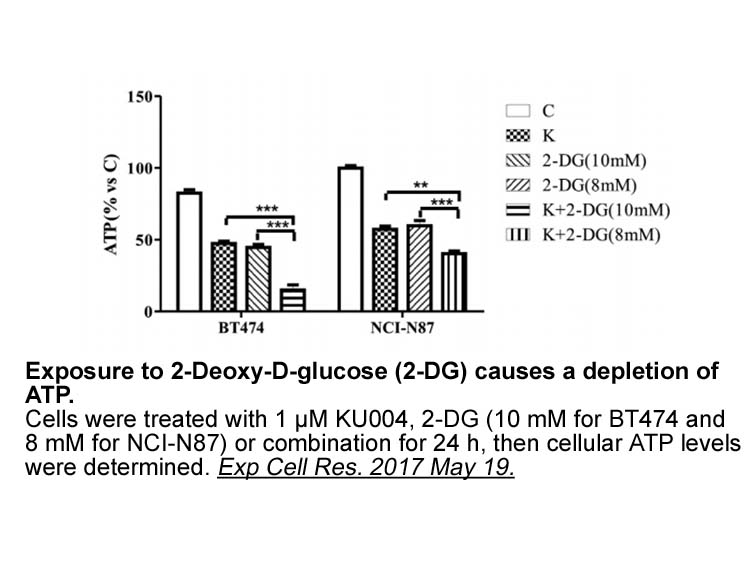
Experimental section Introduction Microglia were discovered as a novel cell population in AI-10-49 in 1933 by a Spanish physician and histologist Pío del Río-Hortega [1]. In the eye, scientists used Hortega's staining technique to label the microglia in the retinal outer plexiform layer (OPL)
-
The dependence of blood cell
2024-05-18
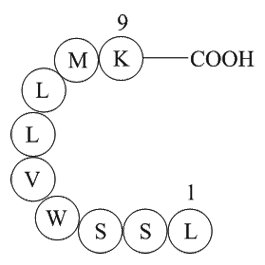
The dependence of blood cell production on a limited number of HSC and HPC (hereafter collectively referred to as HSPC) means that protection from potential toxins is essential for maintenance of the hematologic system (see Fig. 1). For example, the generation of blood cells within the intramedullar
-
Corticosterone induced inhibition of OCT mediated transport
2024-05-18
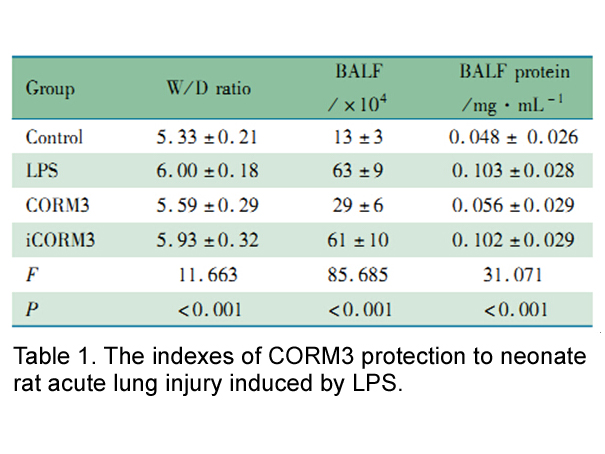
Corticosterone-induced inhibition of OCT-mediated transport is rapid and appears to involve direct interaction of the steroid with the transporter at a specific site. Volk et al. (2003) studied OCT2-mediated transport by measuring substrate-induced currents using patch clamp of Xenopus oocytes exoge
-
The disease stimulatory effects of hyperadiponectinemia in p
2024-05-18
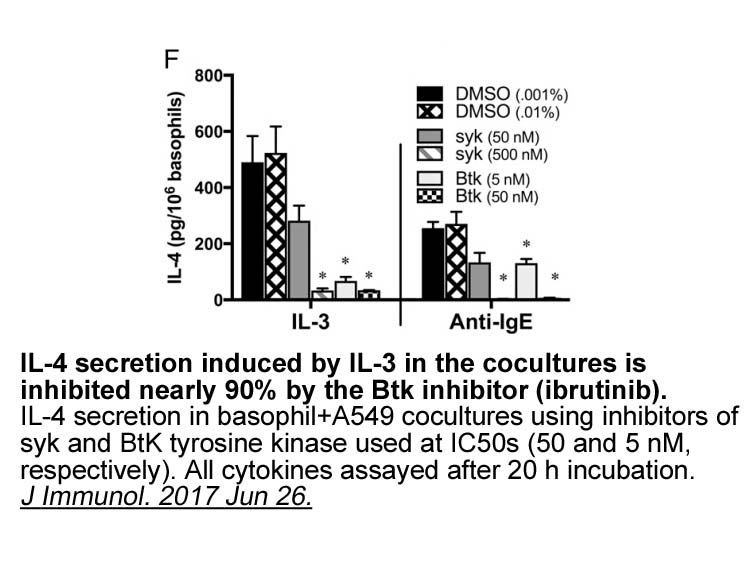
The disease-stimulatory effects of hyperadiponectinemia in patients contradict a previous view based on studies of preclinical models showing that APN might be beneficial for AD [8]. Indeed, despite the action of APN as a risk factor in patients with AD, APN is protective against oxidative stress-in
-
Sphingolipids such as ceramides and glucosylceramides are
2024-05-18
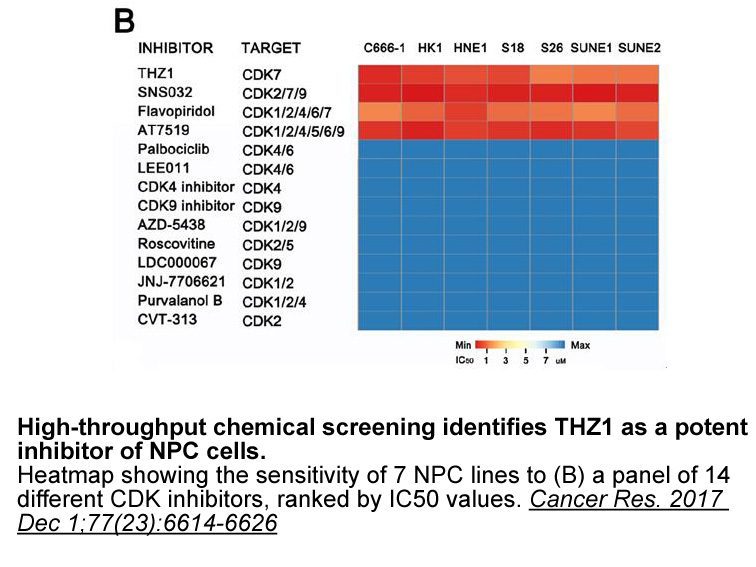
Sphingolipids, such as ceramides and glucosylceramides, are an important class of bioactive lipids. The levels of these lipids change as a function of adipose tissue mass and functionality, and are partially driven by cellular availability of palmitoyl-CoA. Aberrant accumulation of ceramide, glucosy
-
br Conclusion br Conflict of
2024-05-18

Conclusion Conflict of Interest Author Contributions Acknowledgements This work was supported by a research grant (SR/50/AS-14/2012) from the Department of Science and Technology, New Delhi, India to CMC and CSIR Senior Research Fellowship (09/013(0339)/2010-EMR-I) to SB. Introduction
-
However although in vitro studies in heterologous systems
2024-05-18
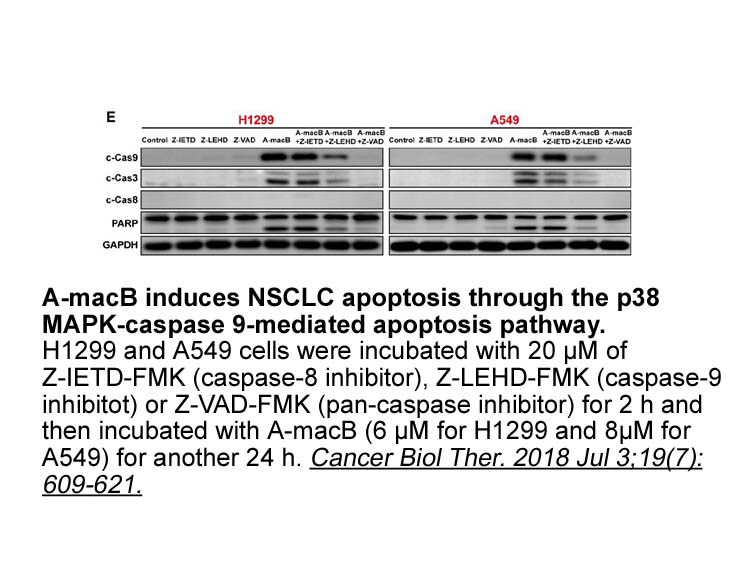
However, although in vitro studies in heterologous systems have provided very important indications of potential novel pharmacology, the studies with endogenous receptors in native tissues are essential to provide evidence for GPCR heteromerization in vivo and to confirm its physiological relevance.
-
By performing knockdown of AXL once HER cancer cells have
2024-05-18
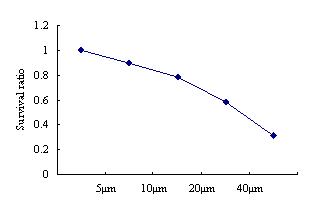
By performing knockdown of AXL once HER2+ cancer sh4 mg have achieved lung colonization, we demonstrated that AXL contributes to the establishment of macrometastases. While inhibition of AXL impairs the efficiency of metastasis, the later finding has major clinical implications since pharmacologica
-
Ryoichi et al modified potent clinical candidate
2024-05-18
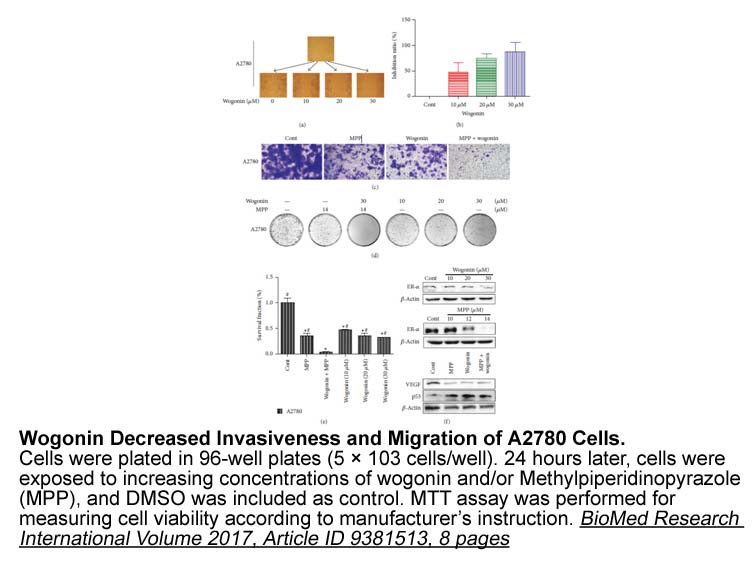
Ryoichi et al. modified potent clinical candidate VX-680 (6) with 3-cyano-6-(5-methyl-3-pyrazolamino)pyridine as Aurora kinase inhibitor. Substituted cyano pyridine derivative (7) inhibited proliferation of HCT-116 cells with an IC50 value of 115 nM. It showed tumor inhibition in mice model at a dos
-
br Experimental protocols br Results and discussion
2024-05-18
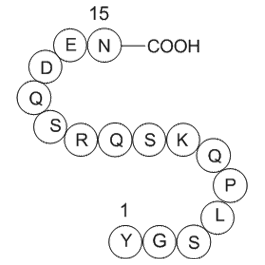
Experimental protocols Results and discussion Conclusion 15-LOX-1 is an important mammalian lipoxygenase which plays an important role in the biosynthesis of leukotrienes, lipoxins and other signalling molecules. These signalling molecules play a regulatory role in several respiratory disea
-
In this review we will present the traditional
2024-05-18
In this review, we will present the traditional and actual strategies to study orphan receptors and identify their ligands. An extensive description of the orphan GPCR field has been published in 2013 by Davenport et al. [22]. Therefore, we will focus on the deorphanizations that were reported since
-
In vascular endothelial cells L arginine
2024-05-18
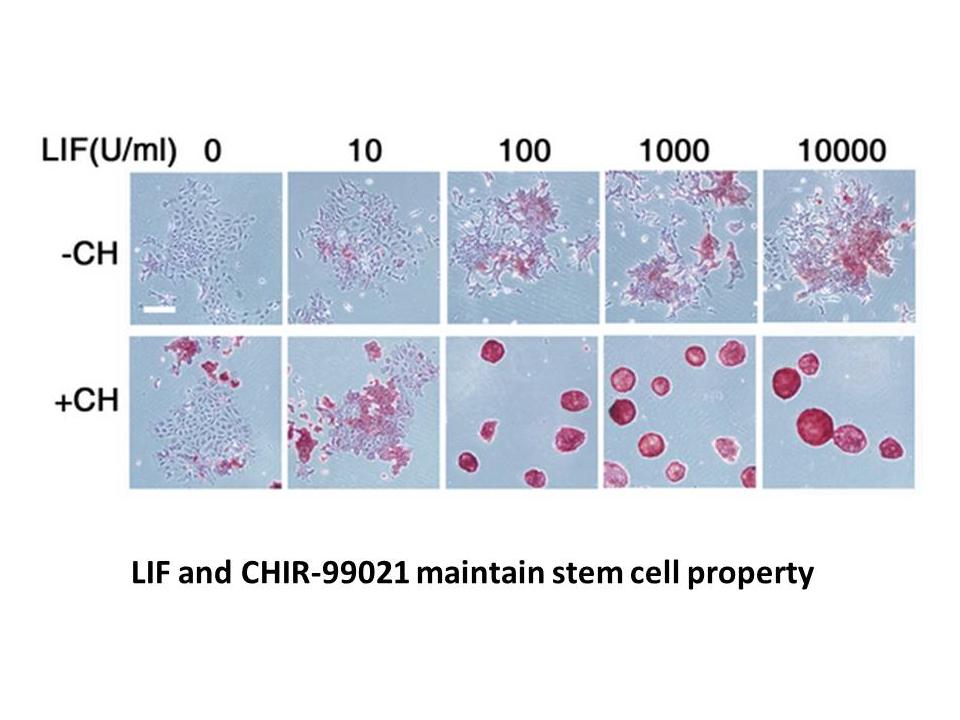
In vascular endothelial cells, L-arginine produces nitric oxide (NO) under the action of nitric oxide synthase (NOS), and nitric oxide can activate guanylate cyclase to produce a large amount of cGMP, thereby relaxing vascular smooth muscle and expanding blood vessels. Numerous studies have confirme
-
The current findings proved that citral treatment induced
2024-05-18
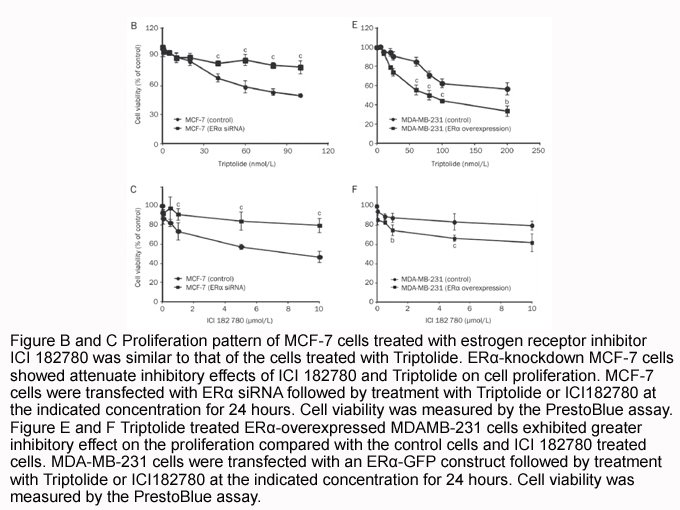
The current findings proved that citral treatment induced mitochondrial-mediated apoptotic cell death in both HCT116 and HT29 through the p53 and ROS. As such, citral promoted apoptosis as evident by the externalization of PS and dissipation of Δψm at 24h of treatment in HCT116 and HT29 cells. These
-
br Valsartan It is another ARB
2024-05-17
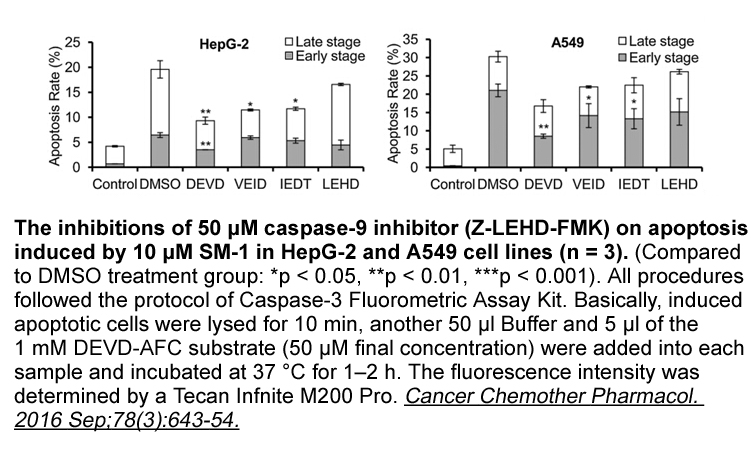
Valsartan It is another ARB, with several reports for its beneficial effects on CV system both in preclinical and clinical studies. Valsartan treatment has reduced the levels of pentraxin 3, a marker for inflammation and is well tolerated in terms of side effects [17]. In BSCORE study, 90-day sec
-
br Angiotensin receptor neprilysin inhibitors Sacubitril val
2024-05-17
Angiotensin receptor-neprilysin inhibitors Sacubitril/valsartan is the first-in-class ARNI, comprising of molecular moieties of valsartan (ARB) and a neprilysin inhibitor prodrug, sacubitril (AHU377) [51]. Upon ingestion, sacubitril is rapidly metabolised into an active neprilysin inhibitor, sacu