Archives
- 2026-09
- 2026-08
- 2026-07
- 2026-06
- 2026-05
- 2026-04
- 2026-03
- 2026-02
- 2026-01
- 2025-12
- 2025-11
- 2025-10
- 2025-09
- 2025-03
- 2025-02
- 2025-01
- 2024-12
- 2024-11
- 2024-10
- 2024-09
- 2024-08
- 2024-07
- 2024-06
- 2024-05
- 2024-04
- 2024-03
- 2024-02
- 2024-01
- 2023-12
- 2023-11
- 2023-10
- 2023-09
- 2023-08
- 2023-06
- 2023-05
- 2023-04
- 2023-03
- 2023-02
- 2023-01
- 2022-12
- 2022-11
- 2022-10
- 2022-09
- 2022-08
- 2022-07
- 2022-06
- 2022-05
- 2022-04
- 2022-03
- 2022-02
- 2022-01
-
Several transgenic and knockout congenic mouse models have b
2022-03-12

Several transgenic and knockout/congenic mouse models have been generated in order to assess the role of FFAR1 for proper insulin secretion and maintenance of glucose homeostasis. The results obtained with three different receptor knockout mouse models were not consistent. The protection against hig
-
The F P concentration reported
2022-03-12
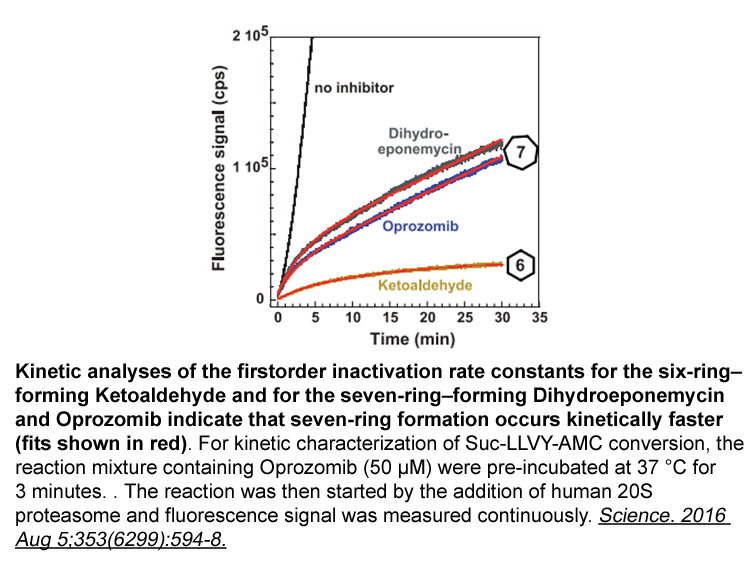
The F6-P concentration reported for a resting rabbit muscle [20] reduced the KAapp for aldolase–FBPase complex more than 50 times compared to KAapp for aldolase–FBPase in the absence of effectors (Fig. 1b and Table 1). A standard assay for determination of FBPase activity in a complex with aldolase
-
A large body of evidence supports a
2022-03-12
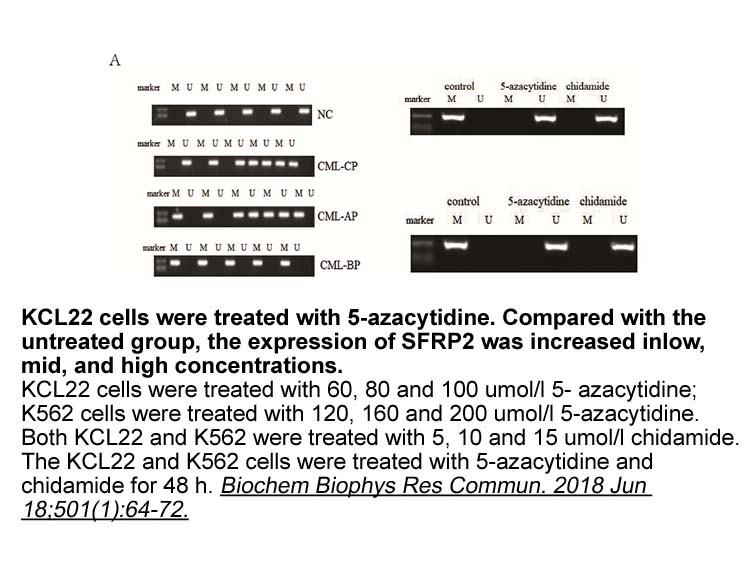
A large body of evidence supports a contribution of the endocannabinoid (eCB) system in the regulation of stress and emotional behavior (Gorzalka and Hill, 2011, Hill and Patel, 2013, Morena et al., 2016). General findings from this work indicate that eCB anandamide signaling is critical for bufferi
-
Silicristin australia br Results br Discussion Impaired
2022-03-11
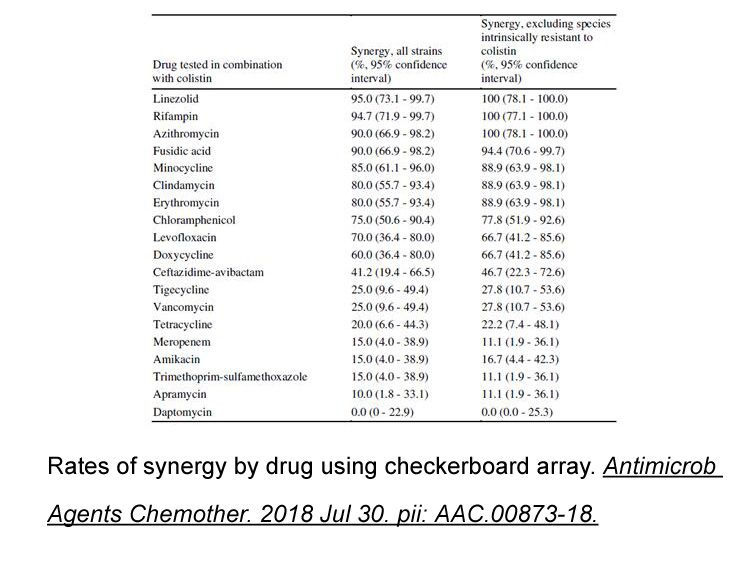
Results Discussion Impaired BBB functions evoke vasogenic edema, which elevates intracranial pressure and leads to a life-threatening condition (Sperk, 1994, Unterberg et al., 2004, Simard et al., 2007). In addition, vasogenic edema formation results in the worsen consequence contributing to p
-
br Histamine H R The cloning of
2022-03-11
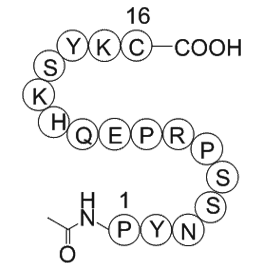
Histamine H4R The cloning of the H3R (Lovenberg et al., 1999) provided a template for the search of other KT 5720 receptors, and resulted in the most recent discovery of histamine H4R. This concluded with six independent groups that have reported the cloning of the H4R (Leurs et al., 2009, Liu
-
In conclusions it is hypothesized that caffeine
2022-03-11
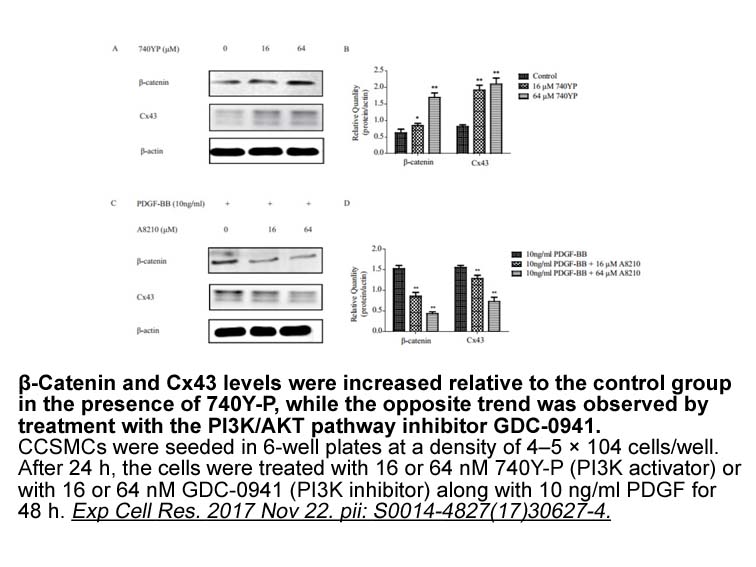
In conclusions, it is hypothesized that caffeine administration could lead to an increase in histamine neuronal activation or release of histamine [38] to induced locomotor stimulation via H1 receptor activation. In addition, the present study also propose that the spaced administration of caffeine
-
Finally life expectancy was strongly reduced in STK deficien
2022-03-11
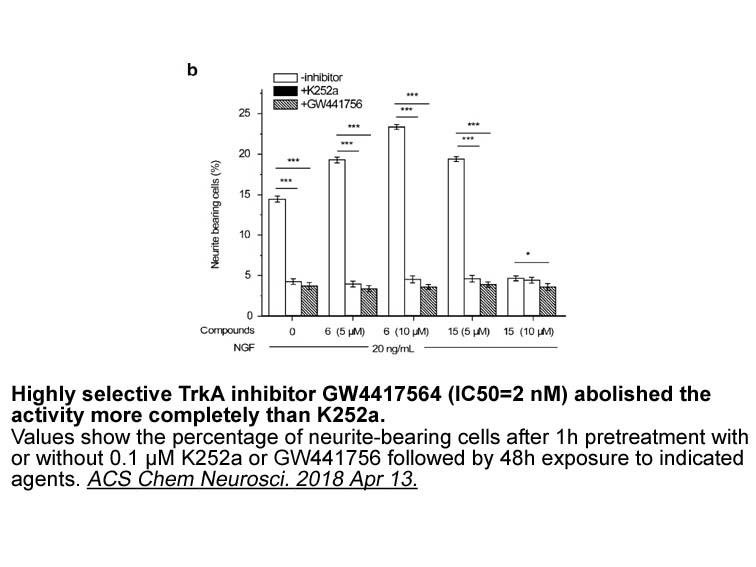
Finally, life expectancy was strongly reduced in STK4-deficient patients. Even in those patients who received haematopoietic stem cell transplantation, the majority of patients died due to transplantation-related complications, raising the question whether MST1 expressed in nonhaematopoietic tissue
-
Importantly HDACi mediated effects are
2022-03-11
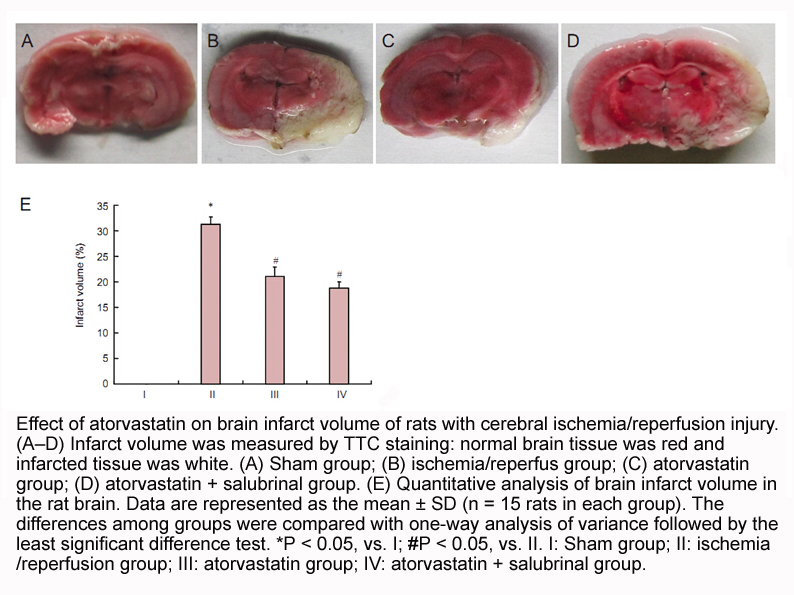
Importantly, HDACi-mediated effects are cell and HDAC specific; different effects and outcomes have been observed in different cell types, targeting different HDAC isoforms. While HDACi exhibit a strong proapoptotic potential in human leukemia S-Adenosylhomocysteine australia 19, 20, 21, 22, they h
-
GSTs have been originally named ligandins because of their
2022-03-11
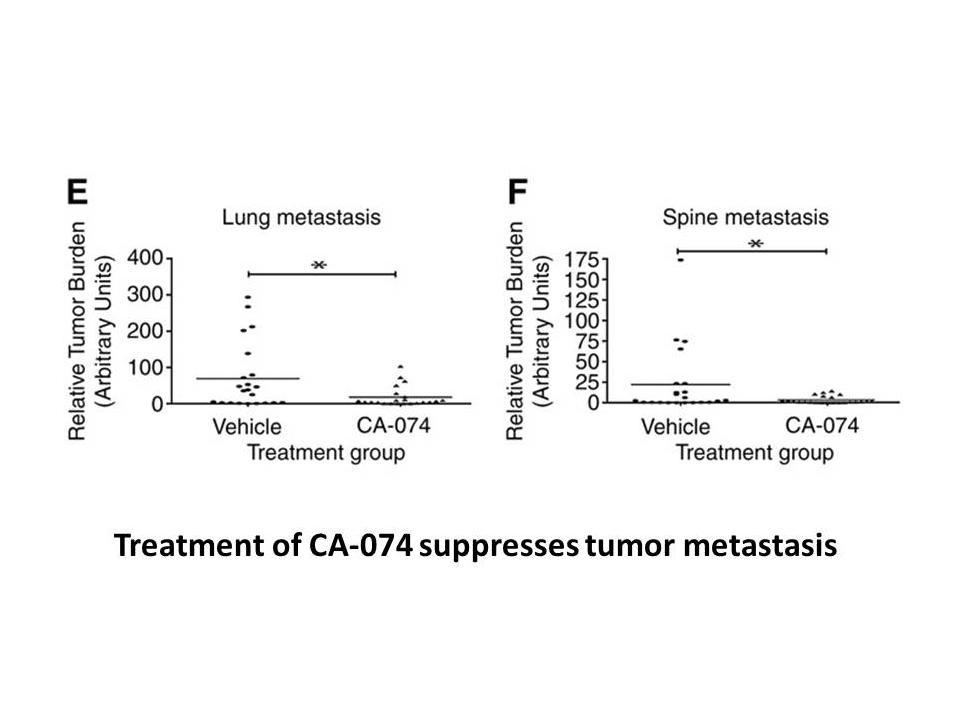
GSTs have been originally named ‘ligandins’ because of their capacity to bind large ligand molecules (of molecular weight >400 Da) (Oakley et al., 1999). At least three separate Cl-Amidine trifluoroacetate salt have been reported for xenobiotics within the H-site; only one is for CDNB (Ralat and Co
-
br Discussion In the present paper it
2022-03-11

Discussion In the present paper it was shown for the first time that the conjugation of ethacrynic LB Agar Miller australia and glutathione catalyzed by GSTP1-1 stereospecifically forms one of the diastereoisomers of the glutathione conjugate (EASG). Chemical conjugation results in formation of
-
Initially the synthesized compounds from were
2022-03-11

Initially, the synthesized compounds from were evaluated for human GSNOR potency before generating additional SAR in order to understand scaffold feasibility and required functionality as illustrated in . Commercially available 4′-hydroxy-[1,1′-biphenyl]-4-carboxylic Olomoucine having similar ter
-
br Conclusions br Acknowledgement br Introduction The macrop
2022-03-11
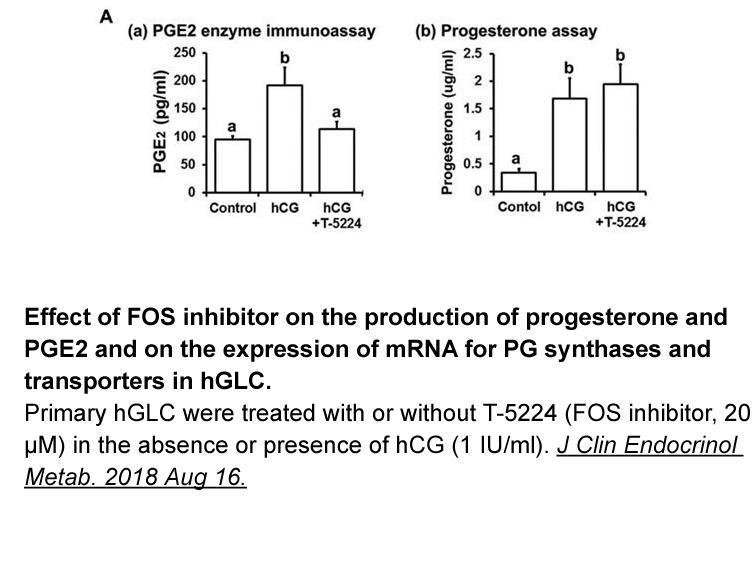
Conclusions Acknowledgement Introduction The macrophage is an important cell species that plays key roles in innate immune responses and inflammatory reactions through phagocytosis of foreign bodies and secretion of inflammatory mediators such as interleukin (IL)-1, tumor necrosis factor (T
-
Fluconazole Fibronectin protein level was not affected by DI
2022-03-11
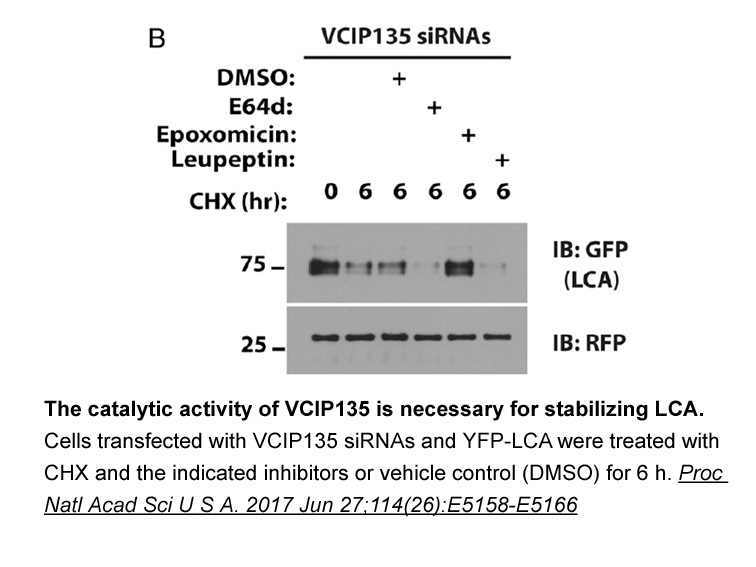
Fibronectin protein level was not affected by DIF-1, although fibronectin has also been considered a canonical Wnt signaling pathway target gene product [39]. Thus, the canonical Wnt signaling pathway may not be critical for the regulation of the expression of fibronectin in malignant melanoma cells
-
br Other Functions of HCA
2022-03-11
Other Functions of HCA Receptors HCA receptors, in particular HCA1, are expressed in various primary tumor rho kinase inhibitors 77, 78, 79. This is of interest, as most solid tumors show increased glucose uptake and lactate formation even under normoxic conditions, with lactate concentrations in
-
br Materials and methods br Results br Discussion br
2022-03-11
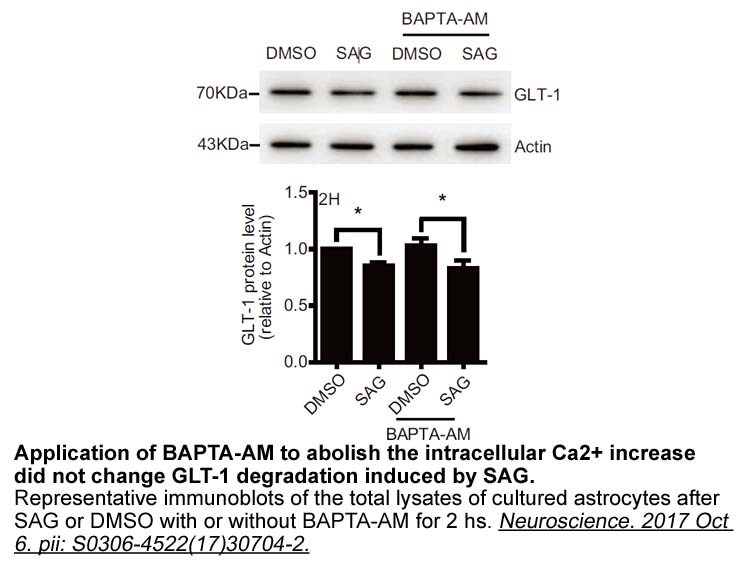
Materials and methods Results Discussion Conclusion Pharmacophore modeling was applied to explore new probable Glo-I inhibitors. Ninety two pharmacophoric models were generated representing diverse types of interaction between co-crystallized ligands and corresponding binding site. The g
7924 records 488/529 page Previous Next First page 上5页 486487488489490 下5页 Last page